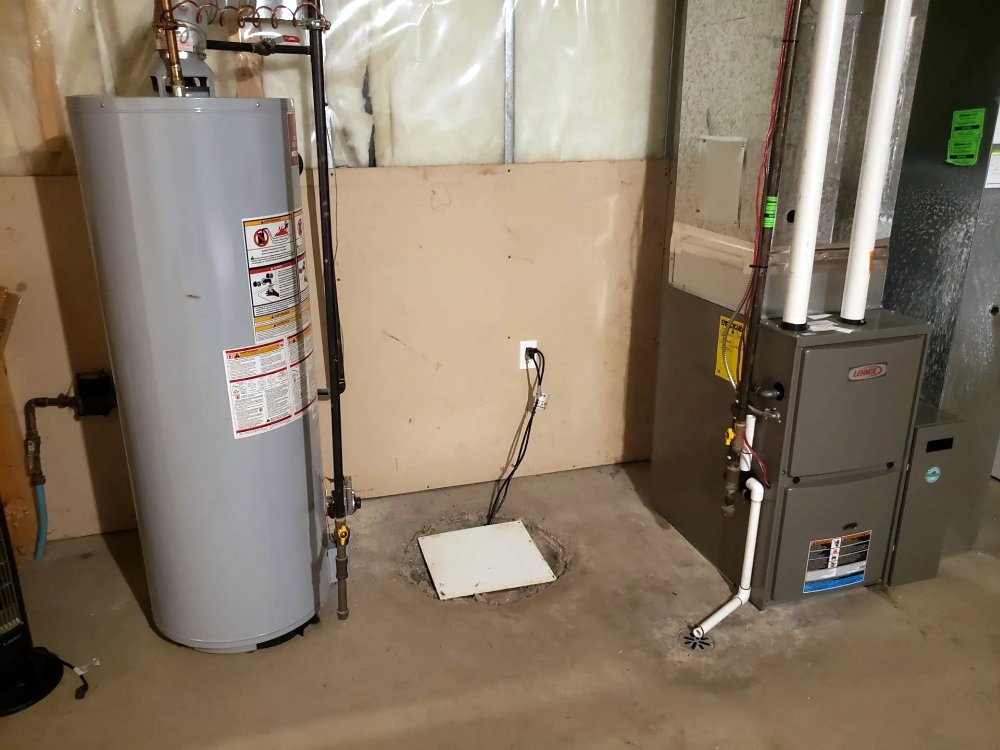
6 Signs Your Hot Water System is Failing - Imagine a day – or even a morning – without your hot shower
Minor issues can affect your comfort, lead to higher costs, and potentially impact your home’s condition. A water heater with hidden problems, such as a leak or inefficient heating, often shows warning signs that shouldn’t be ignored. If you notice any of these issues, it’s time to hire a plumber from All Kind Gas & Plumbing to assess and resolve the problem before it escalates.
Recognising the early signs your hot water system needs attention is crucial to avoiding larger, costlier problems. Timely maintenance or repair can keep your system running efficiently.
We will explore the key indicators of trouble and provide actionable steps you can take to protect both your home and your wallet.
Indicators That Your System May Be Struggling
Hot water systems are essential appliances, but they don’t last forever. Recognising the signs of system failure can help prevent costly replacements or repairs. Here are key indicators that your hot water tank or system may need attention.
Fluctuating Water Temperatures
Inconsistent water temperature can be frustrating and often points to internal faults. A malfunctioning thermostat or damaged heating element could be the cause. Sediment build-up in the hot water tank can also interfere with heating efficiency, making the water temperature unpredictable. When these issues arise, consulting a plumber for inspection is essential to restore performance.
|| Also Read: Heat Pump Hot Water Rebate Victoria
Visible Signs of Water Leaks
Even small leaks around the tank or valve can signal internal issues. Water leaks often reduce water pressure and efficiency, while prolonged exposure can lead to corrosion and structural damage. Ignoring leaks may shorten the appliance’s lifespan and increase the likelihood of needing a new hot water system. It would be great if you could address leaks quickly.
Unusual Noises During Operation
Banging, rumbling, or popping noises indicate sediment build-up inside the tank. This build-up reduces efficiency and can damage the heating element over time. Persistent noise is a warning that the system may need professional servicing or even replacement if the damage is extensive.
Changes in Water Appearance or Smell
Rusty or discoloured water often points to corrosion inside the tank or on the anode rod. Foul-smelling water can result from sediment or bacteria build-up. Both issues affect water quality and indicate that the system may be nearing the end of its lifespan. Regular maintenance can prevent these problems from escalating.
Decreased Hot Water Availability
A sudden drop in the hot water supply can be due to a failing heating element, worn-out valve, or sediment interfering with the tank’s capacity. When the system struggles to meet demand, it may signal that a replacement or adjustments are necessary to restore functionality.
Rising Utility Costs with No Clear Cause
An inefficient system that works harder to maintain water temperature can result in higher energy bills. Sediment build-up or a failing heating element could cause the appliance to consume more energy. Upgrading a new hot water system may reduce energy costs and improve overall performance.
Regular checks and professional servicing are essential to keep your hot water system operating efficiently and lasting longer.
Acting Early to Protect Your System
Addressing issues early is key to protecting your hot water system and avoiding costly disruptions. Being proactive can save time and money while keeping your water supply consistent.
Preventing Escalated Damage
Ignoring signs your hot water system is struggling can lead to severe problems. A leaking water heater tank or valve could result in extensive water damage around your hot water unit. Over time, water heater problems like sediment build-up or corrosion can cause internal tank failure.
The risk of scaling increases for hard water areas, further damaging the system. If left too long, your hot water system may need to be replaced entirely. Spotting early signs of hot water issues, such as inconsistent temperatures or strange noises, can help avoid needing more extensive repairs or a hot water system replacement.
Cost-Effective Maintenance
Addressing signs your water heater needs attention early on can save money. Fixing minor faults, like a damaged thermostat or valve, is far more affordable than replacing the entire water heater tank. Regular servicing is crucial for systems like solar hot water or an electric hot water system, as they can develop specific issues over time.
Whether your system needs repair or replacement, acting quickly on water problems ensures you don’t face unexpected costs. Knowing when to repair or replace your system is crucial for maintaining efficiency.
Prolonging the Unit’s Service Life
Regular inspections can help identify signs your hot water system needs attention before significant damage occurs. Servicing your unit prevents minor water heater problems from building up and reduces the likelihood of premature failure. This is especially important for any hot water system, whether gas, solar, or electric.
Timely repairs, such as replacing worn parts, ensure your system runs efficiently and lasts longer. Keeping your system in good condition is essential if you need hot water consistently. Taking action when signs of hot water trouble arise protects your system and delays the need for a complete hot water system replacement.
Choosing Between Repairs and a New Unit
Deciding between a hot water system repair and replacing the unit depends on the extent of the problem, the system’s age, and your household’s needs. Understanding the right choice can help maintain efficiency and avoid unnecessary expenses.
When Fixing the Problem Makes Sense
Hot water system repair often resolves minor issues, especially for newer units. Common scenarios include:
- Cost-effectiveness: Repairs for specific issues like inconsistent water temperature or low water pressure are typically more affordable if the system is under ten years old.
- Localised faults: Faults such as a broken thermostat, pressure relief valve, or leaks around your hot water system can usually be fixed without significant costs.
- System age: If your water heating system is relatively new and doesn’t show signs of a failing storage tank or recurring faults, repairing it is often the best option.
When Replacement Becomes a Better Choice
Sometimes, a water heater’s condition indicates it needs replacing rather than repairing. Key situations include:
- Frequent issues: If you constantly notice your water heater needs repairs due to lack of hot water or leaks inside the tank, it may be time to replace the unit.
- High repair costs: When repair expenses for parts of your hot water system, such as the tank or heating element, approach the price of a new system, replacement is more practical.
- Age and efficiency: Older systems often struggle to heat the water efficiently, compromising water quality. Newer models improve performance and reduce energy use.
- Changing household needs: If water usage has increased, increasing demand on the system, upgrading to a larger or more efficient unit can address these needs.
Recognising when it’s time to replace your water heating system ensures reliability and improved performance for your household.
Lifespan and Maintenance for Long-Term Efficiency
Proper maintenance and understanding of your system’s lifespan are essential for ensuring long-term efficiency and reliability. Knowing your unit’s age and condition can help avoid unexpected disruptions, like a cold shower.
Typical Durability of Hot Water Systems
The average lifespan of a hot water system ranges from 8 to 15 years, depending on factors such as water quality, routine usage, and proper maintenance. For instance, hard water or lack of upkeep can lead to issues caused by sediment build-up, which may reduce the unit’s efficiency and durability. Systems like solar water heaters may last longer with regular care.
Keeping Your Unit in Peak Condition
Regular servicing of your plumbing system and hot water unit can prevent significant water damage and extend its lifespan. Benefits of proper maintenance include:
- Clearing sediment: Removing build-up inside the tank improves energy efficiency and prevents wear.
- Checking for leaks: Identifying early leaks avoids damage and costly repairs.
- Ensuring functionality: Inspecting components such as the thermostat, anode rod, and pressure relief valve ensures optimal performance.
- Improving water quality: Addressing hot water smells or discolouration keeps the water clean.
- Adjusting water heater temperature: Maintaining the correct settings improves energy use and system longevity.
Recognising When It’s Time to Upgrade
There are telltale signs to look for when a system is nearing the end of its lifespan. Frequent repairs, reduced efficiency, and visible wear are clear indicators. If you notice recurring problems or significant water damage, it may be time to replace the unit. Monitoring the lifespan of a hot water system helps you plan for upgrades before major failures occur.
Knowing When to Seek Expert Help
Knowing when to call a professional is crucial to maintaining your hot water system’s efficiency and safety. Acting promptly can save time and money and prevent further issues.
Advantages of Professional Assistance
Licensed plumbers offer expertise and reliability when dealing with hot water systems. Their services include:
- Accurate diagnosis: Identifying common causes of water heater issues, such as faulty thermostats, leaks, or sediment build-up.
- Safe repairs: Ensuring any issues are fixed without causing further damage or safety concerns.
- Effective solutions: Addressing problems to restore the supply of hot water you need efficiently.
- Expert recommendations: Advising on energy-efficient water systems when replacing your hot water unit is required.
- Tailored advice: Helping you choose the right system based on your household’s water usage and needs.
- Local expertise: A local plumbing professional understands regional water quality and system requirements, ensuring optimal performance.
Risks of DIY Attempts
Attempting to fix a hot water system without proper knowledge is risky. DIY repairs can cause safety hazards, such as electrical issues or gas leaks, and often result in additional damage.
You may also void the manufacturer’s warranty, leaving you responsible for future costs. Another common problem with DIY is misdiagnosing the issue, which can worsen the situation. It’s always safer to call our hot water plumbers for assistance.
Timely Action Prevents Future Problems
Ignoring signs of trouble, such as inconsistent heating or low water pressure, can lead to bigger issues. Quick action ensures your system continues to heat water efficiently and avoids costly repairs. Whether you need much hot water or a smaller system, acting early helps maintain the water you need. If you suspect your system needs attention, call a professional to prevent complications.
Your trusted Experts Are Just a Call Away
Your hot water system issues don’t have to cause stress or delays in your day. Our experienced team is ready to provide quick and effective solutions tailored to your needs.